

Providence College School of Business Hosts Ninth Annual Michael Smith Business Ethics Case Competition
The Providence College School of Business welcomed a highly diverse field of competitors for the ninth annual Michael Smith Business Ethics Case Competition, held virtually on Saturday, March 28, 2026.
The annual competition continues to serve as a cornerstone of ethics education at PC Business, challenging undergraduate students to grapple with complex, real-world business dilemmas through rigorous analysis, structured ethical reasoning, and persuasive presentation.
A Case Grounded in Real-World Controversy
This year’s case, “Ticketing the Future: Balancing Revenue, Ethics, and Fairness in the Digital Age,” asked students to evaluate the ethical implications of modern ticket pricing systems in sports and entertainment. Drawing on high-profile controversies involving ticketing platforms and global sporting events, like Taylor Swift’s Eras Tour and FIFA World Cup, the case examined how technological advances, such as dynamic pricing and secondary resale markets, have transformed access to cultural experiences.
The case outlined rising ticket prices, confusing fee structures, and the role of bots and resellers that have sparked widespread public backlash.
Students were asked to assess whether companies can reconcile revenue optimization with fairness, transparency, and accessibility, and to propose actionable solutions grounded in ethical theory.
Over a two-week preparation period, teams developed comprehensive analyses addressing key questions such as how to protect lower-income fans, regulate secondary markets, and ensure ethical use of pricing algorithms. Competitors were required to incorporate at least three ethical frameworks, including deontology, utilitarianism, virtue ethics, justice theory, or Catholic social teaching, into their recommendations.
On competition day, each team delivered a 15-minute presentation followed by a 10-minute question-and-answer session with a panel of judges. After the preliminary round, the top four teams advanced to the finals, where they presented again to a new panel of judges using the same format.
This year’s judging panel featured 15 professionals from a wide range of industries, including sports, ticketing, marketing, news media, technology, finance, insurance, academia, and the military. The diversity of perspectives among judges mirrored the interdisciplinary nature of the case itself, providing students with valuable real-world feedback on both the ethical and practical dimensions of their proposals.
A Diverse and Competitive Field
The 2026 competition stood out not only for its timely and intellectual rigor but also for its unprecedented diversity of participants. With 16 teams representing 11 states form across the country and Mexico, this year’s competition marked a milestone moment in the event’s evolution, showcasing the broadest mix of institutions in its history—including large and small schools, public and private universities, and both two- and four-year colleges.
“This was, without question, the most diverse and competitive field we’ve seen in the history of the competition,” said Dr. Patrick Kelly, Director of Ethics in Business Education at Providence College. “The depth of analysis, the creativity of the solutions, and the ability of students to apply ethical frameworks to complex, evolving business challenges were truly exceptional. These teams demonstrated not only technical skill, but a genuine commitment to thinking critically about fairness and responsibility in today’s economy.”
Winning Solutions Emphasize Fairness and Transparency
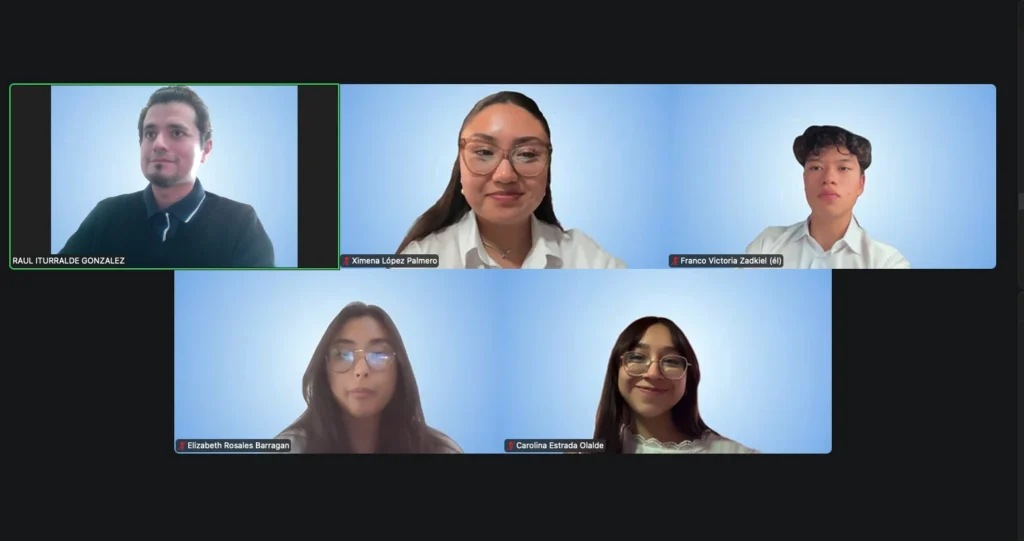
The winning team from ENES Juriquilla (UNAM) in Mexico, distinguished itself with a comprehensive and innovative approach to the case. Their presentation highlighted systemic issues in the current ticketing ecosystem, including hidden fees, bot-driven purchasing, and what they described as “opaque and unpredictable” pricing mechanisms that disadvantage everyday consumers.
Applying ethical frameworks such as deontology, virtue ethics, and justice theory, the team argued that current industry practices often treat consumers as means to an end, maximizing profit at the expense of fairness and accessibility. They emphasized that organizations must align their actions with their stated values, particularly when those values include integrity and social responsibility.
The team proposed a series of solutions designed to restore trust and equity in the ticketing market. These included:
- A hybrid pricing distribution model that ensures a portion of tickets remain affordable while still allowing for revenue optimization
- Enhanced customer authentication systems, including identity verification and biometric safeguards, to prevent bots and large-scale resellers from dominating ticket purchases
- A digital reporting system that enables consumers to flag pricing irregularities and automatically share data with regulatory agencies
Their recommendations also incorporated existing legal frameworks, such as the BOTS Act and Federal Trade Commission regulations on deceptive pricing, demonstrating a strong understanding of both ethical theory and regulatory context.
Ultimately, the team framed the issue as one of societal values, concluding that access to cultural and sporting events should not be reserved solely for those with the highest purchasing power. Instead, they argued for a redefinition of success in the industry; one that balances profitability with inclusivity and public trust.
The competition was exceptionally close, with teams from La Salle University and the University of Texas at Dallas tying for second place after delivering equally compelling analyses and recommendations.
Across all participating teams, judges noted a high level of sophistication in both ethical reasoning and practical application. Many teams proposed innovative approaches to pricing transparency, regulatory collaboration, and consumer protection, reflecting a deep engagement with the complexities of the case.
Preparing Ethical Leaders for a Complex World
Now in its ninth year, the Michael Smith Business Ethics Case Competition continues to play a vital role in preparing students to navigate the ethical challenges of modern business. By engaging with timely and relevant issues, like digital pricing, data ethics, and market fairness, the competition equips students with the tools to think critically, communicate effectively, and lead responsibly.
The 2026 case, in particular, underscored the growing importance of ethics in an increasingly technology-driven marketplace. As algorithms and data analytics reshape industries, questions of transparency, accountability, and equity are becoming central to business decision-making.
Looking Ahead
As the Michael Smith Business Ethics Case Competition approaches its tenth anniversary, its continued growth and impact reflect a broader commitment within the Providence College School of Business to ethics-centered education.
“This competition is about more than winning,” Dr. Kelly added. “It’s about developing future business leaders who understand that ethical considerations are not separate from business strategy, they’re integral to it. The students we saw this year give us great confidence in the future of ethical leadership.”